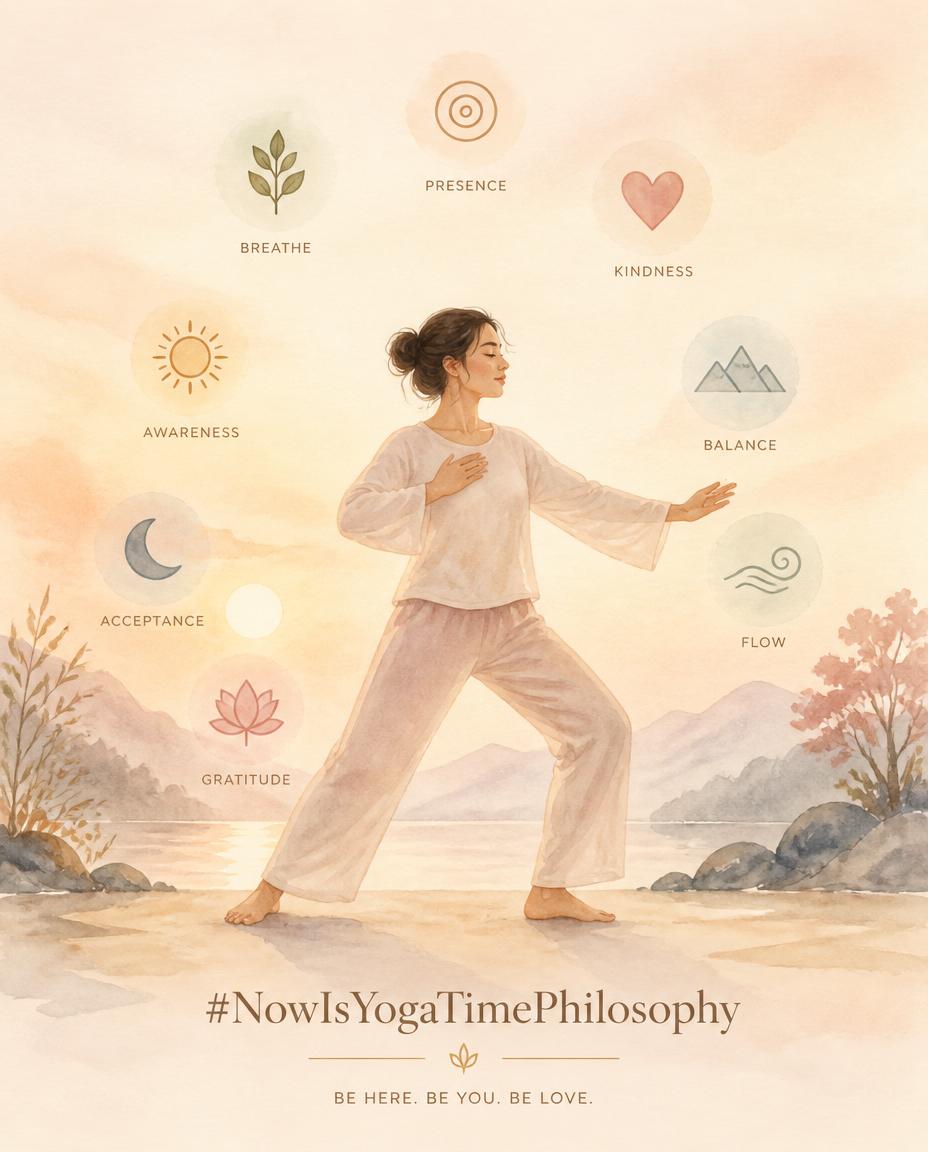
The 8 Limbs of Yoga — Patanjali's Path to Liberation
Limbs of Yoga
Introduction
There is a moment that happens to almost every yoga practitioner.
You have been coming to class for months, maybe years. You know the poses. You know the breath. You feel better in your body, calmer in your mind. And then one day, in the middle of a practice — or perhaps in a quiet moment afterward — a question rises.
Is this it? Is this all yoga is?
The answer, offered by one of the greatest minds in the history of human wisdom, is a quiet and resounding: no.
Yoga is one of the most complete systems for human development ever conceived. It addresses the body, the breath, the mind, the senses, the attention, and the deepest layers of consciousness — in a single, coherent, elegant path.
That path was mapped by the sage Patanjali, approximately two thousand years ago, in a text called the Yoga Sutras.
And at its heart are eight limbs.
Not eight steps to be completed in order. Not eight levels to unlock. Eight dimensions of practice — each one illuminating a different aspect of what it means to live with full awareness, full integrity, and full presence.
This article is a map. A beginning. An invitation to see yoga as it truly is — not a fitness method, but a complete path toward liberation.
Who Was Patanjali?
Patanjali is one of the most revered figures in the history of yoga — and one of the most mysterious.
Very little is known about him as a historical person. What we know is what he left behind: the Yoga Sutras, a collection of 196 concise aphorisms that form the most systematic and complete exposition of classical yoga philosophy ever written.
The Yoga Sutras were likely compiled between 400 BCE and 400 CE — scholars continue to debate the exact date. What is beyond debate is their influence. For two thousand years, teachers and practitioners across traditions have returned to these sutras as the authoritative guide to the nature of the mind and the path toward its liberation.
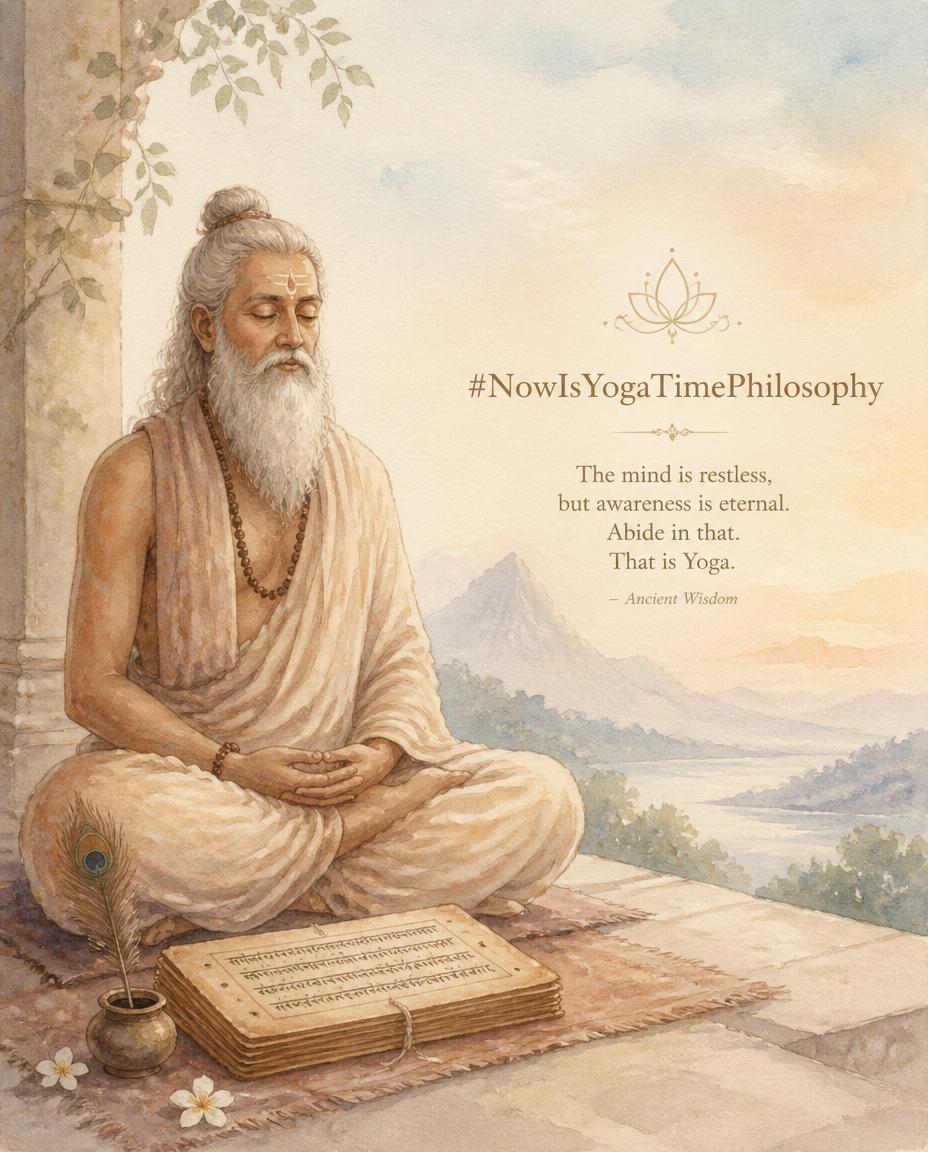
Patanjali did not invent yoga. The practice is far older. But he systematized it. He gave it structure, clarity, and depth. He made the invisible visible — mapping inner terrain that most people never even knew existed.
His definition of yoga appears in the second sutra, and it is worth sitting with:
"Yogas chitta vritti nirodha."
Yoga is the cessation of the fluctuations of the mind.
Not a perfect body. Not impressive postures. Not even enlightenment, as a distant goal. Simply — the quieting of the restless mind. The return to what was always already present beneath the noise.
This is the yoga Patanjali describes. And the eight limbs are the path.
What Are the 8 Limbs of Yoga?
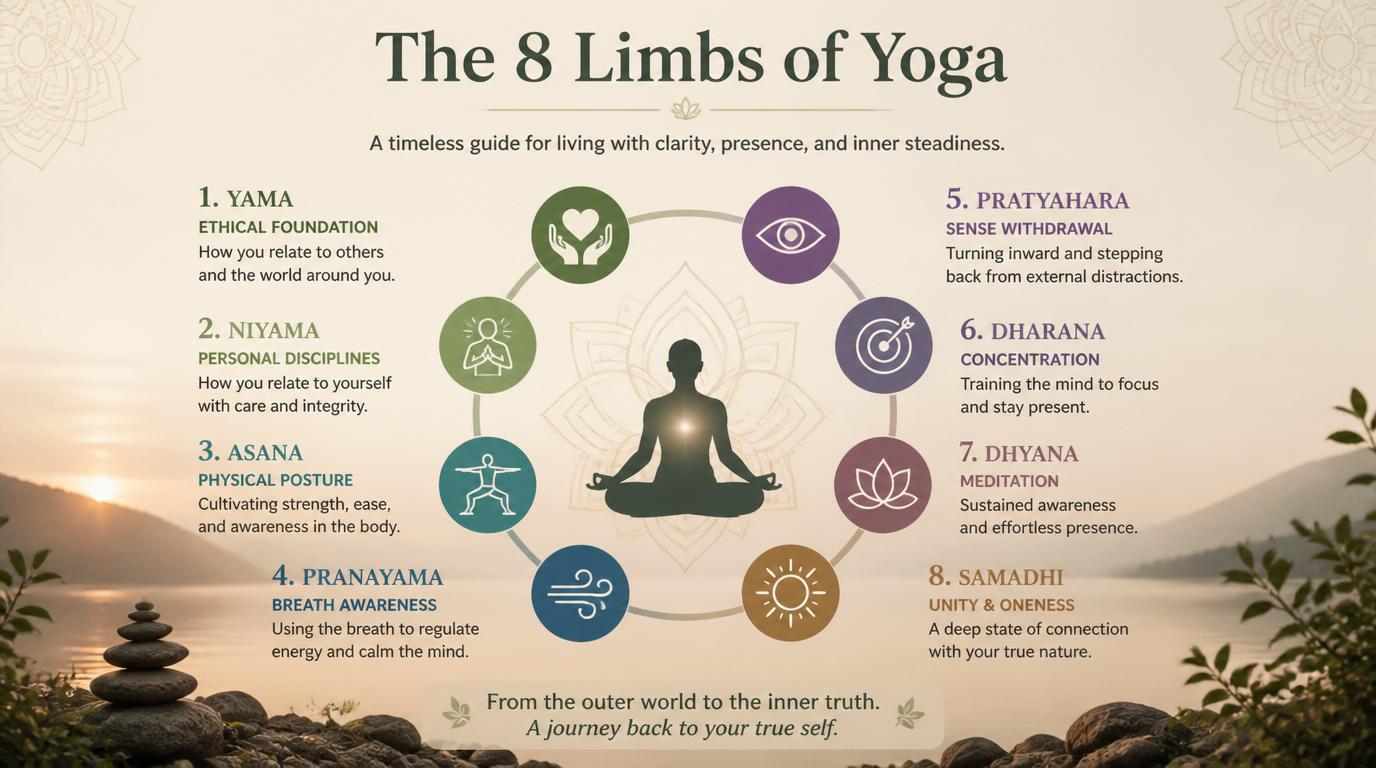
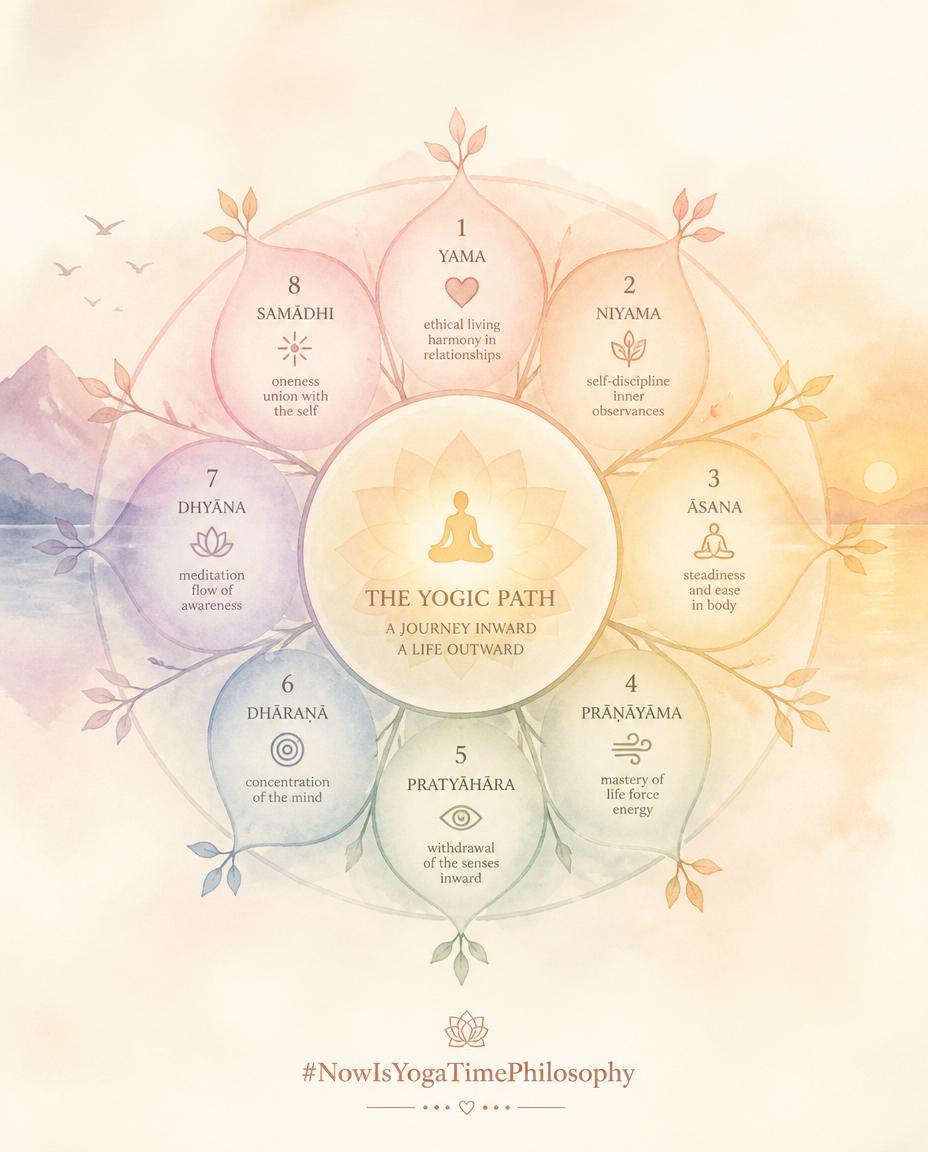
The eight limbs — called Ashtanga in Sanskrit, from ashta (eight) and anga (limb) — are described in the second chapter of the Yoga Sutras, the Sadhana Pada, the chapter on practice.
They are:
- Yama — ethical principles, how we relate to the world
- Niyama — inner observances, how we relate to ourselves
- Asana — physical posture, the seat
- Pranayama — breath regulation, the expansion of life force
- Pratyahara — withdrawal of the senses
- Dharana — concentrated attention
- Dhyana — meditation, unbroken awareness
- Samadhi — absorption, union, liberation
The image of a tree is often used to describe the relationship between these limbs. The Yamas and Niyamas are the roots — the ethical and personal foundation without which nothing else can grow. Asana and Pranayama are the trunk and branches — the physical and energetic practices that build strength and stability. Pratyahara, Dharana, and Dhyana are the flowers — the subtler inner practices that deepen attention. And Samadhi is the fruit — the natural flowering of a practice sustained with sincerity and care.
Each limb supports the others. None stands alone.
The First Limb — Yama: How We Meet the World
The Yamas are the ethical roots of the practice. Five principles that govern how we relate to others, to all living beings, and to life itself.
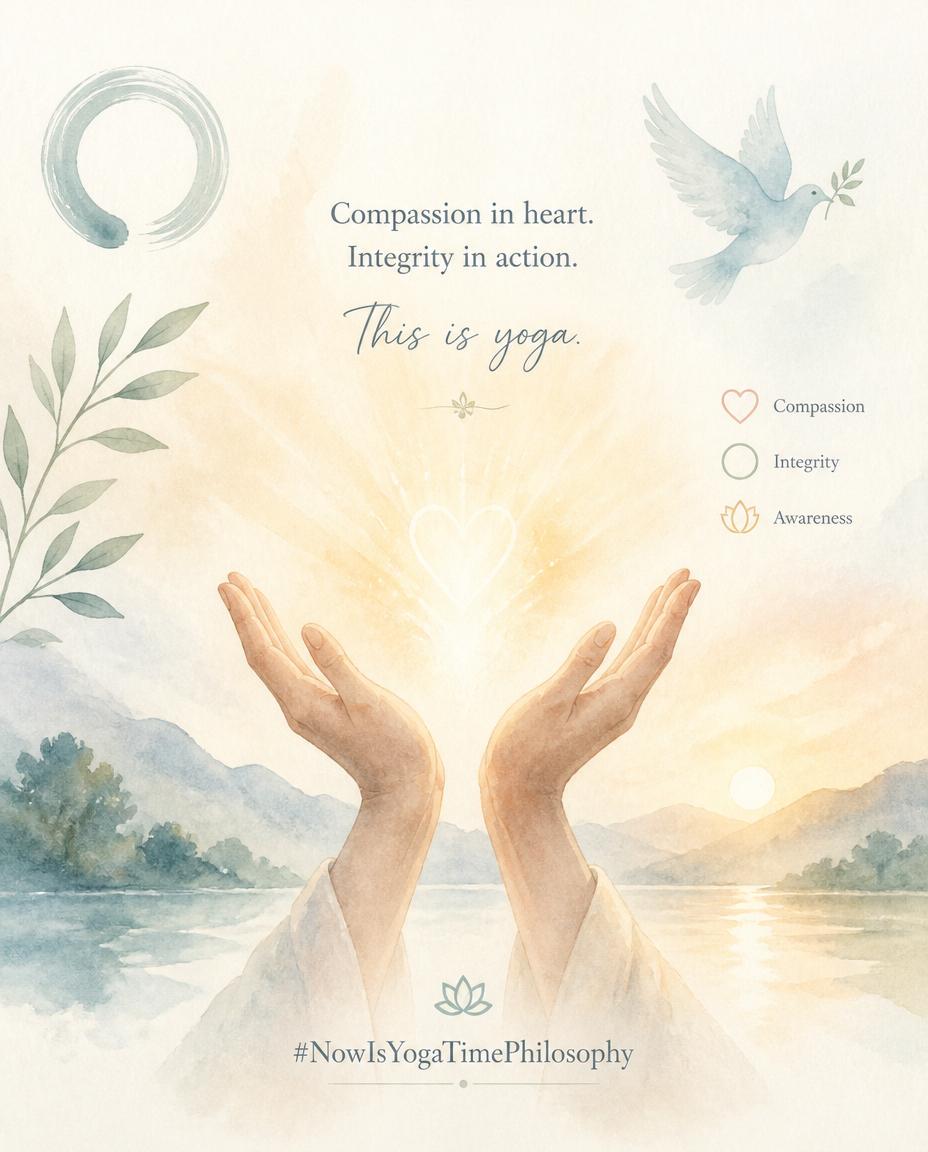
Ahimsa — nonviolence. The first and most fundamental. Causing no harm in thought, word, or action. Beginning with ourselves.
Satya — truthfulness. Alignment between what we think, what we say, and what we do. The courage of honest living.
Asteya — non-stealing. Not taking what isn't ours — including time, energy, credit, and more than we need.
Brahmacharya — right use of energy. The conscious, wise direction of our vital force toward what truly matters.
Aparigraha — non-grasping. Holding things lightly. Releasing what no longer serves.
The Yamas are not rules imposed from outside. They are invitations from within — toward a way of living that creates the conditions in which deeper practice becomes possible.
→ Explore the full guide: Yama — The Ethical Roots of Yoga
The Second Limb — Niyama: How We Meet Ourselves
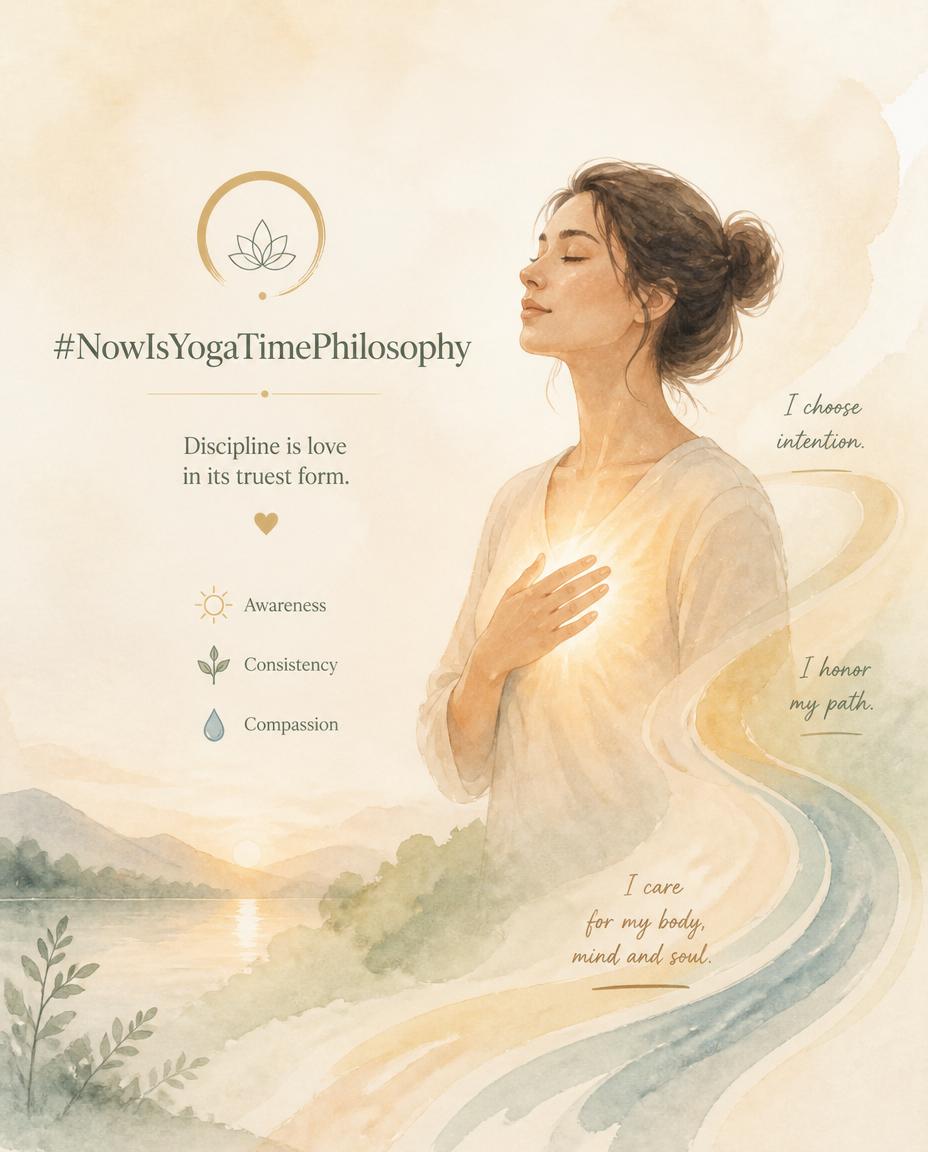
Where the Yamas address the outer life, the Niyamas turn inward. Five personal observances — disciplines of the self.
Saucha — purity. Of body, of environment, of mind. Creating the conditions for clarity.
Santosha — contentment. The radical practice of being at peace with what is, exactly as it is.
Tapas — discipline. The inner fire that burns away what is unnecessary and strengthens what is essential.
Svadhyaya — self-study. The ongoing inquiry into who we truly are — through scripture, through reflection, through honest self-observation.
Ishvara Pranidhana — surrender to the divine. Releasing the grip of the ego. Trusting something larger than the personal self.
Together, the Yamas and Niyamas form the ethical and personal foundation of the entire path. Without them, the remaining six limbs lack roots.
→ Explore the full guide: Niyama — The Inner Observances of Yoga
The Third Limb — Asana: The Intelligent Body
This is the limb most people know. And the one most misunderstood.
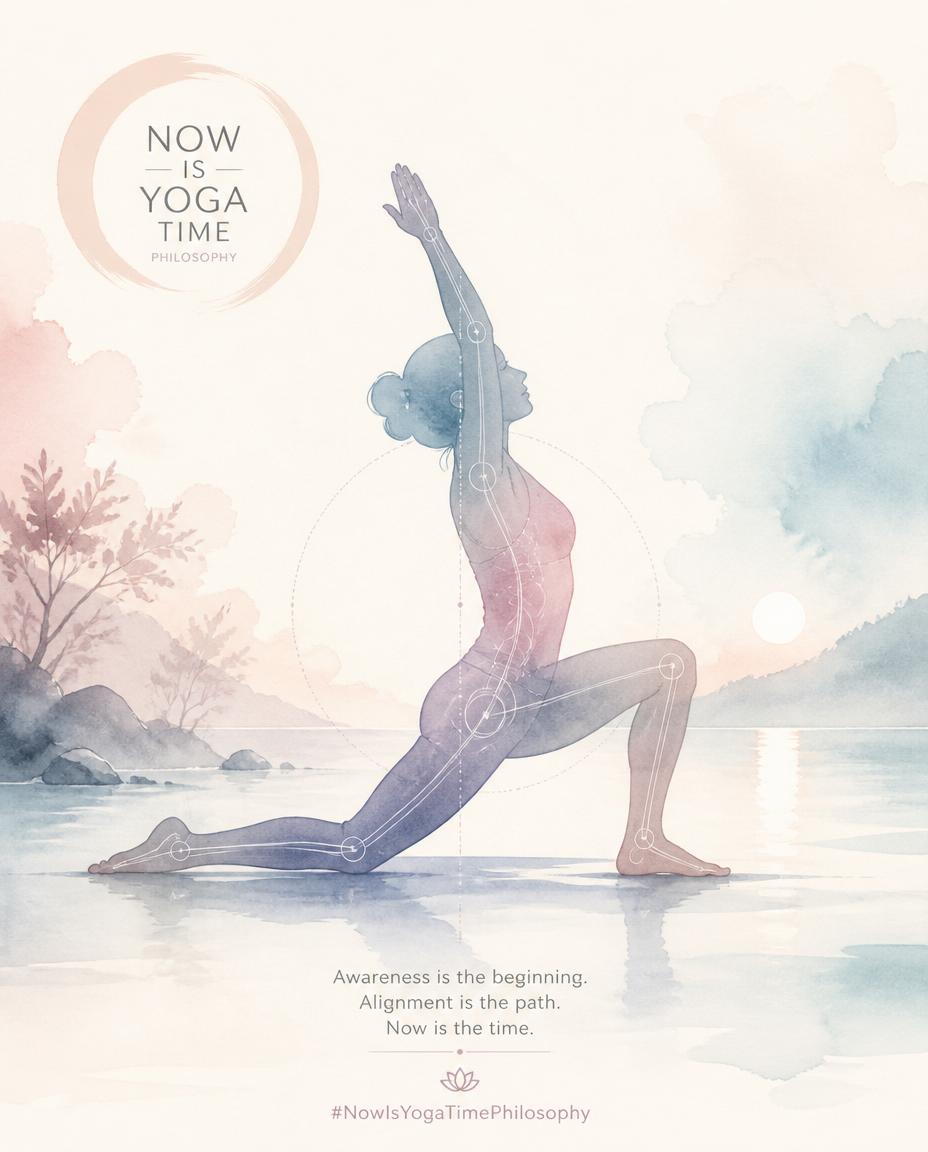
Patanjali devotes only three sutras to Asana — fewer than to any other limb. His definition is simple: sthira sukham asanam — the posture should be steady and comfortable.
Not impressive. Not extreme. Not painful.
Steady. And comfortable.
Asana, in the classical sense, is the practice of learning to inhabit the body with awareness and ease. The physical postures are a means — a way of preparing the body to sit in stillness, to breathe with depth, to sustain the concentration that deeper practice requires.
Every pose is a conversation between the body, the breath, and the mind. The shape itself is secondary. The quality of attention inside the shape — that is the practice.
→ Explore the Asana Compendium: All Poses — Now Is Yoga Time
The Fourth Limb — Pranayama: The Breath as Bridge
Prana is life force — the subtle energy that animates all living things. Pranayama is its conscious regulation through the breath.
The breath is unique among our bodily functions. It happens automatically — we don't need to think about it to survive. But it can also be consciously directed. This makes it the bridge between the voluntary and involuntary nervous system. Between the conscious and the unconscious mind.
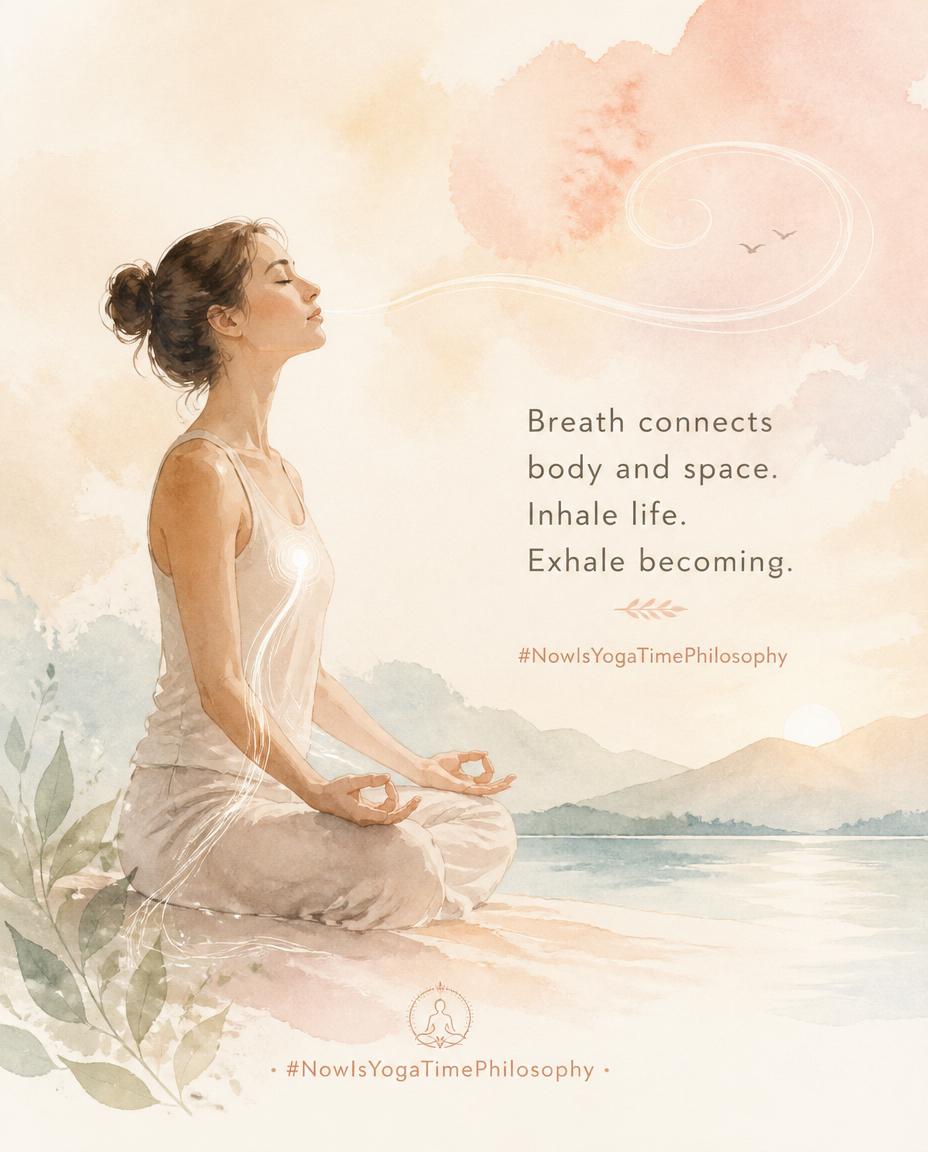
When we regulate the breath with awareness — slowing it, deepening it, pausing at the natural spaces between inhale and exhale — we begin to influence the autonomic nervous system directly. The heart rate softens. The muscles release. The mind grows quieter.
Modern science calls this the parasympathetic response. The ancient yogis called it the gateway to inner stillness.
Pranayama is the practice of learning to use this gateway — consciously, deliberately, with increasing depth and subtlety.
→ Explore the full guide: Pranayama — The Expansion of Life Force
The Fifth Limb — Pratyahara: Turning Inward
Here is where the path turns.
The first four limbs — Yama, Niyama, Asana, Pranayama — are in some sense outer practices. They work with ethics, with the body, with the breath. They are tangible. They can be observed.
Pratyahara is the hinge. The turning point. The practice of withdrawing the senses from their habitual outward orientation — and beginning to listen inward.
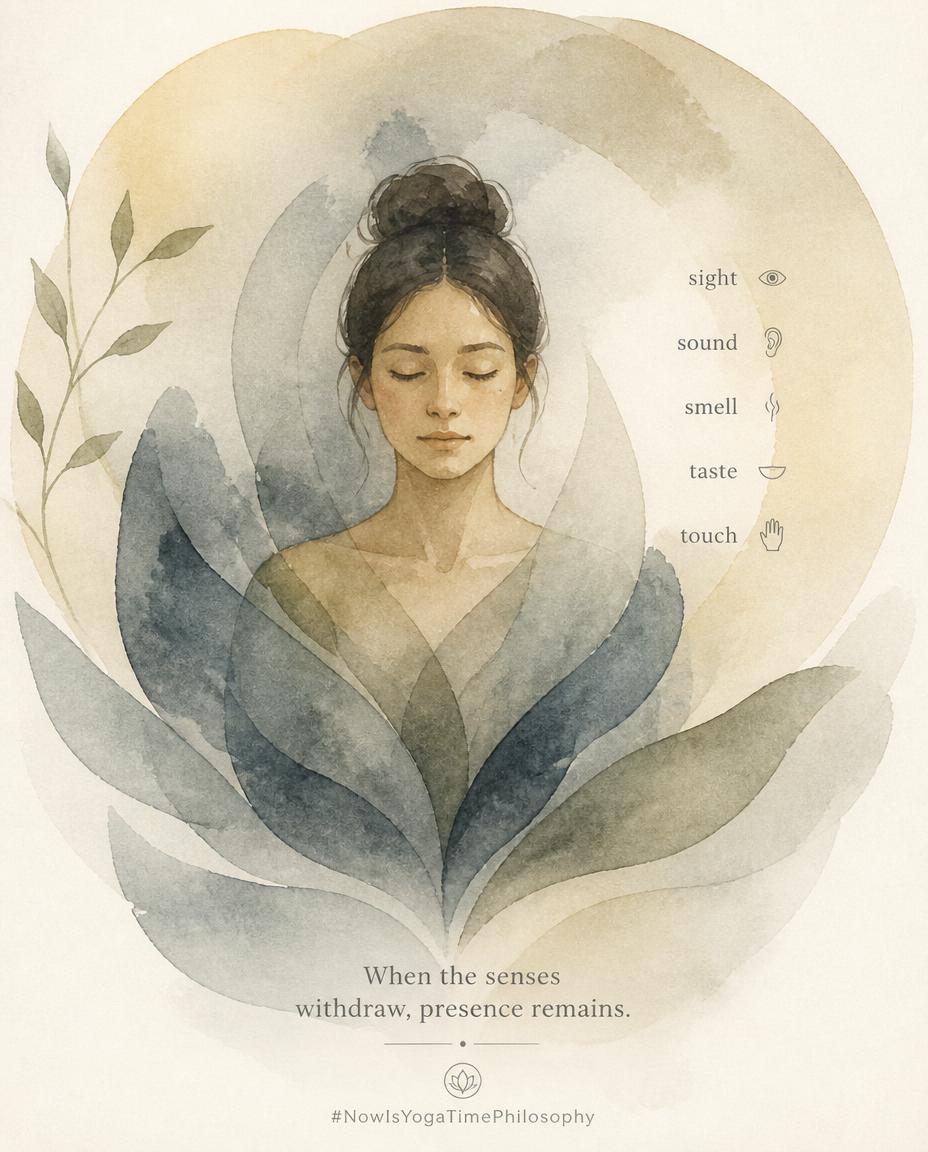
Pratyahara is the hinge. The turning point. The practice of withdrawing the senses from their habitual outward orientation — and beginning to listen inward.
Imagine a tortoise drawing its limbs into its shell. Not fleeing. Not shutting down. Simply gathering itself. Becoming still. This is the image Patanjali uses for Pratyahara.
In a world of relentless stimulation — screens, noise, information, demands — Pratyahara is perhaps the most radical and most needed practice of all.
The ability to choose where our attention goes. To not be pulled by every sensation, every notification, every passing thought. To rest, willingly and deliberately, in inner quiet.
This is the gateway to the last three limbs.
→ Explore the full guide: Pratyahara — The Practice of Turning Inward
The Sixth Limb — Dharana: The Practice of Focus
Dharana means concentrated attention. The deliberate, sustained holding of the mind on a single point.
This might be the breath. A flame. A mantra. An image. A sensation in the body. A philosophical idea. The choice of object matters less than the quality of the attention brought to it.
Dharana is the training ground for meditation. And it is harder than it sounds.
The untrained mind moves constantly — from thought to thought, from sensation to sensation, from past to future and back again. This is not a character flaw. It is the nature of the unexamined mind. The Yoga Sutras call these movements chitta vritti — the fluctuations of consciousness.
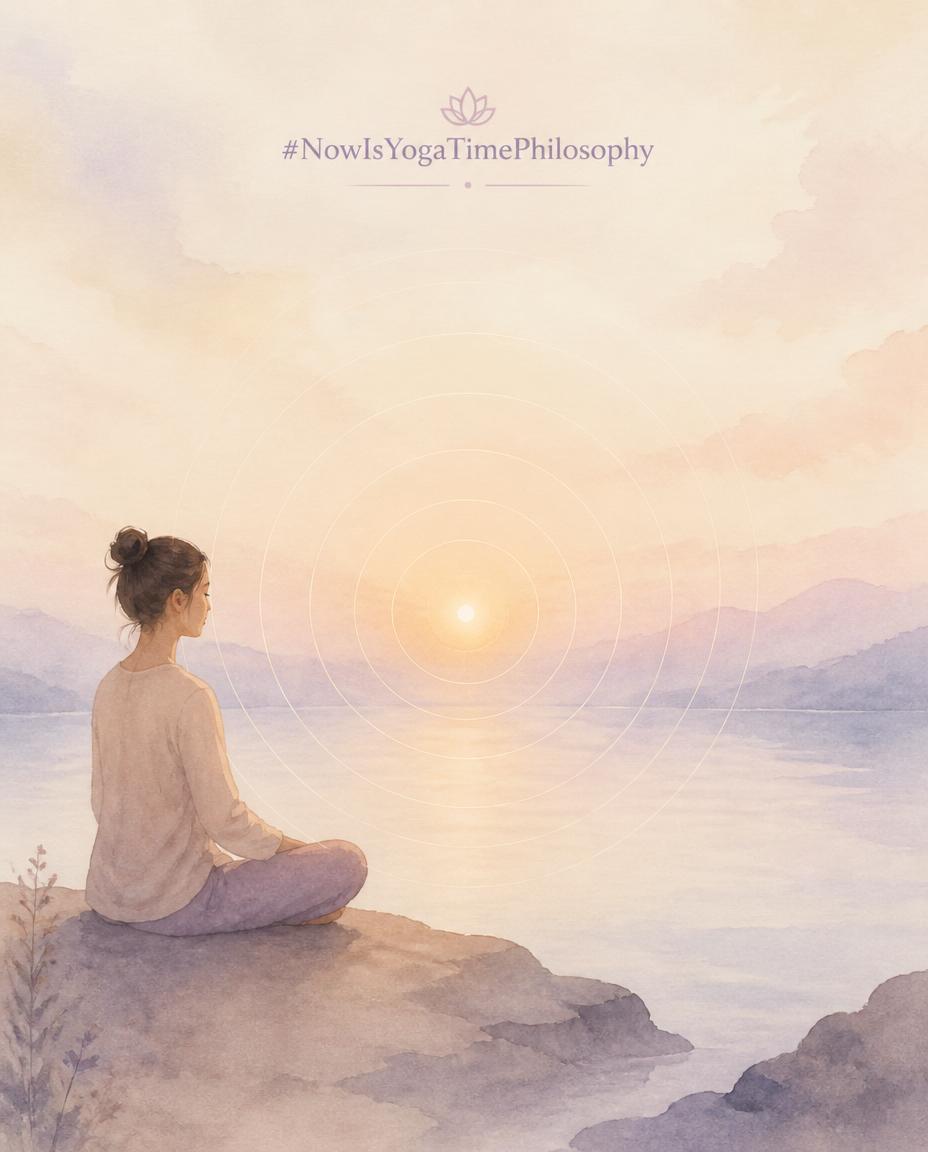
Dharana is the practice of noticing when the mind has wandered — and returning. Again. And again. Without judgment. Without frustration. Simply returning.
Each return is a repetition. And repetitions build pathways. Over time, with patient practice, the mind learns to rest. To settle. To stay.
Modern neuroscience confirms what the yogis understood: this practice literally reshapes the brain. Neural pathways associated with sustained attention grow stronger. The capacity for presence deepens.
This is Dharana. And it is available to anyone willing to practice.
→ Explore the full guide: Dharana — The Yoga of Concentrated Attention
The Seventh Limb — Dhyana: Meditation
When Dharana matures — when the concentration becomes so steady, so continuous, so effortless — something shifts.
The effort of holding gives way to a flow of being. The meditator and the object of meditation begin to merge. The sense of separation softens. What remains is an unbroken current of pure awareness.
This is Dhyana. Meditation in its true sense.
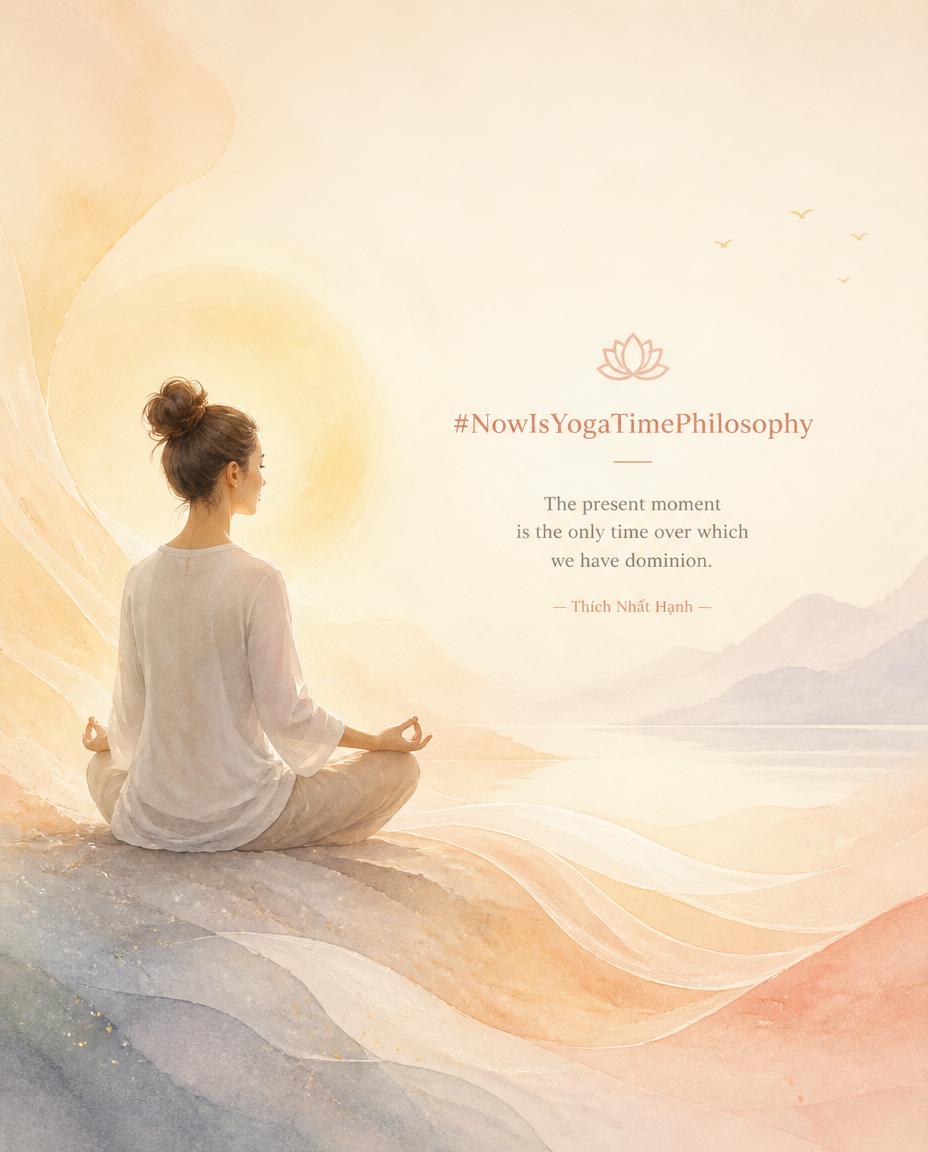
Not a technique. Not a timer. Not a particular posture or a particular thought. A quality of consciousness — the natural deepening of sustained, loving attention.
Dhyana cannot be forced. It arises. Like a flower that opens in its own time, in the right conditions — warmth, light, soil, water. The previous limbs create the conditions. Dhyana is what flowers when those conditions are right.
This is why the path is long. Not because liberation is difficult. But because the conditions must be tended — patiently, lovingly, consistently — before the deeper openings become possible.
→ Explore the full guide: Dhyana — The Unbroken Flow of Awareness
The Eighth Limb — Samadhi: Union
Samadhi is the fruit of the entire path.
The word is often translated as enlightenment, or absorption, or liberation. But perhaps the simplest translation is the most accurate: union.
The union of the individual self with the universal self. The dissolution of the sense of separation that is the root of all suffering. The recognition — not as a concept, but as a direct, lived experience — that what we truly are is not a separate, isolated egonavigating a hostile world.
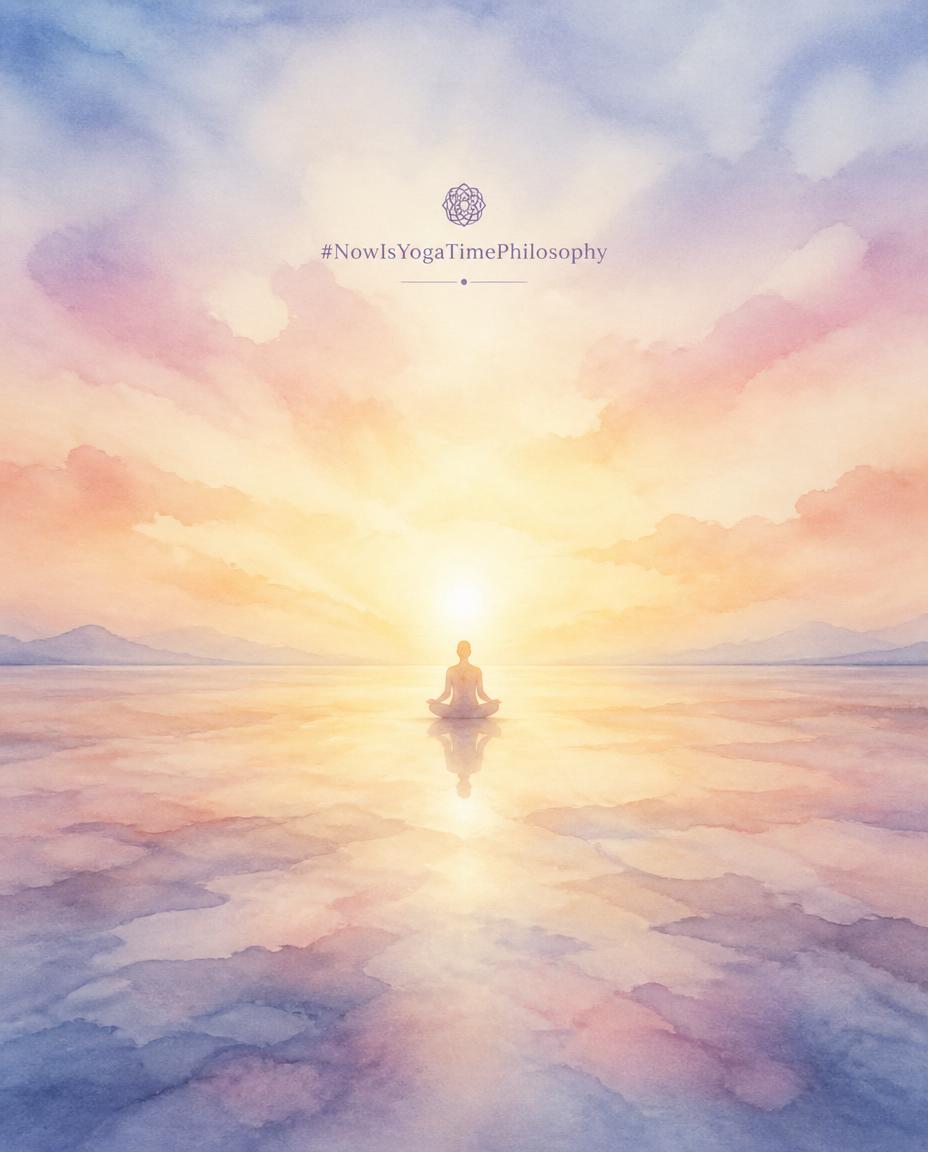
What we truly are is consciousness itself. Aware. Open. Complete.
Patanjali describes several levels of Samadhi — from the most initial tastes of expanded awareness, through progressively subtler states, to the final liberation he calls kaivalya: aloneness, in the sense of standing fully in one's own nature, without the distortion of conditioning.
Samadhi is not reserved for monks and mystics. Every sincere practitioner carries the seed of it. Every moment of genuine presence — of full, undivided awareness — is a taste of what Samadhi points toward.
The path is open. The door is always here.
→ Explore the full guide: Samadhi — The Gateway to Union
The 8 Limbs Are Not a Ladder
One of the most common misunderstandings about the eight limbs is that they must be practiced in strict sequence — that you must master the Yamas before touching Asana, complete Asana before approaching Pranayama, and so on.
Patanjali does not say this.
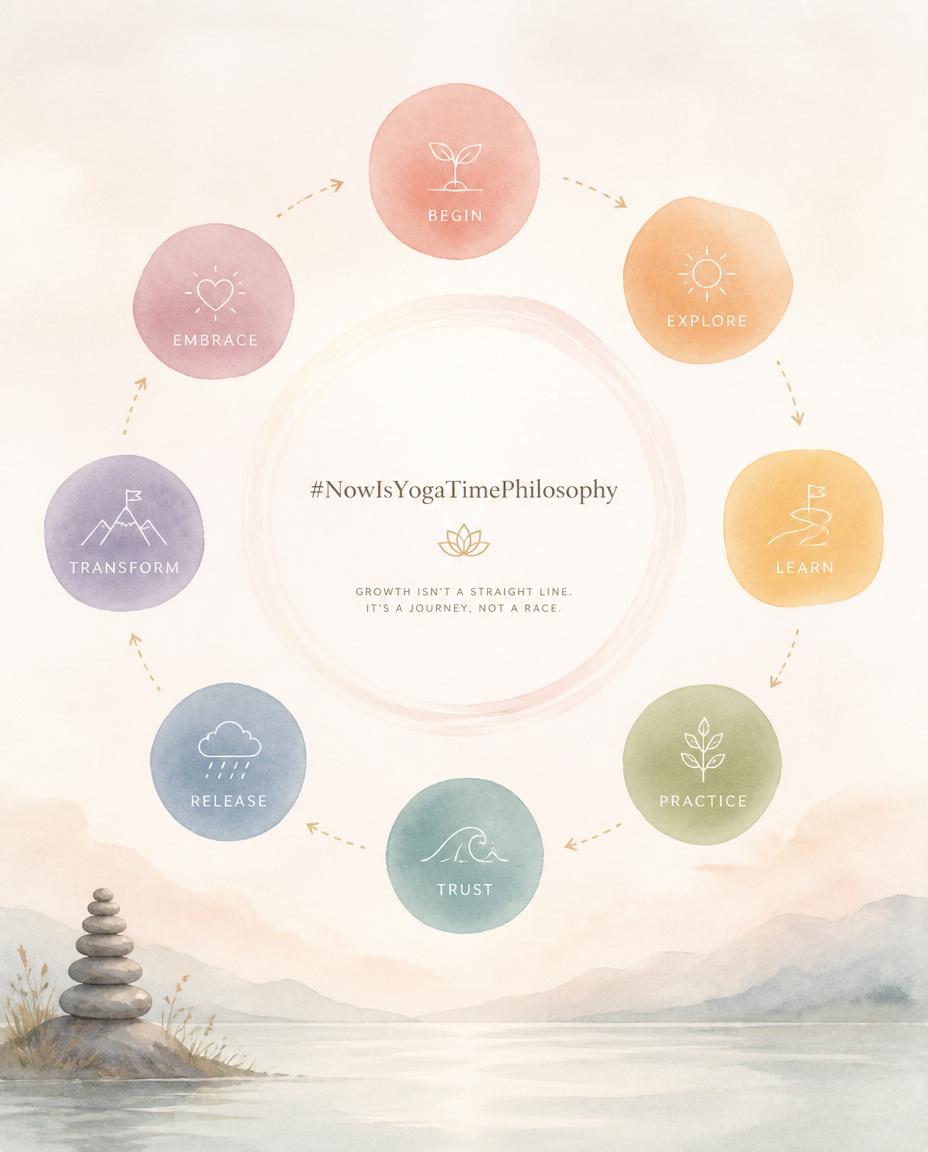
The limbs support and illuminate each other. A dedicated Asana practice will naturally begin to soften the edges of the ego — creating more space for Ahimsa. Pranayama deepens the capacity for Dharana. A sincere meditation practice will reveal — sometimes uncomfortably — places where Satya is needed in daily life.
The path is not linear. It is spiral. Circular. Alive.
Begin wherever you are. The body is always a faithful doorway. The breath is always available. The ethical principles are always asking to be practiced.
And from wherever you begin — the path leads, in its own time and its own way, toward the same place.
A Moment with the Eight Limbs — Mini Practice
Sit comfortably. Close your eyes, or soften your gaze downward.
Take one breath — slow, full, deliberate.
Now bring each limb to mind, one by one.
Not as concepts. As living realities.
Yama — how am I meeting the world today?
Niyama — how am I tending to myself?
Asana — how is my body right now, in this moment?
Pranayama — what is the quality of this breath?
Pratyahara — can I turn inward, just for this moment?
Dharana — where is my attention?
Dhyana — can I simply rest in awareness itself?
Samadhi — what is always already here, beneath the noise?
You don't need to answer.
Just ask.
Just breathe.
Just notice.
This is yoga.
If you want to explore the foundations of conscious living more deeply, you can download my free ebook Yama & Niyama. It's a soft, practical introduction to presence, simplicity, and inner alignment.