The Breath as a Tool for Everyday Change
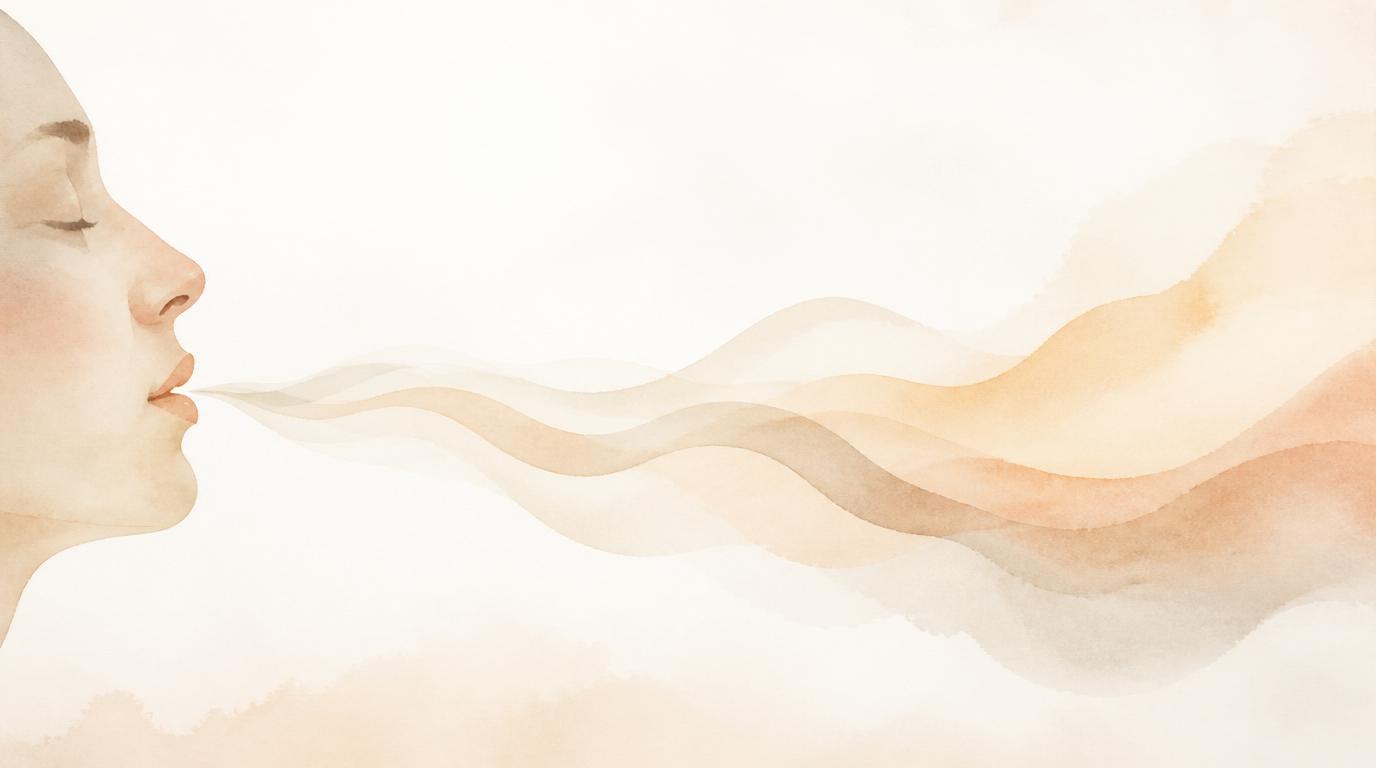
There is a moment — soft, almost invisible — when the breath shifts. A moment when the inhale deepens, the exhale lengthens, and something inside you loosens its grip. This moment is not dramatic. It is not loud. It is not a breakthrough in the way the mind imagines breakthroughs.
It is a quiet turning.
A turning toward yourself. A turning toward presence. A turning toward the life that is happening right now.
The breath is the most intimate companion you have. It has been with you since the first moment of your life. It will stay with you until the last. It moves through every experience, every emotion, every transition, every moment of becoming.
And yet, most people barely notice it.
The breath is not just a physiological process. It is a doorway — a tool for change, regulation, clarity, and return.
This filar explores the breath not as a technique, but as a relationship. A relationship that can reshape the way you move through your day.
The Breath Is the First to Respond
Before you think, you breathe. Before you speak, you breathe. Before you react, you breathe.
The breath responds to everything:
- stress
- joy
- fear
- excitement
- uncertainty
- connection
- overwhelm
- rest
Your breath is a mirror. It reflects your inner state long before your mind understands it.
When the breath becomes shallow, the body contracts. When the breath deepens, the body softens. When the breath pauses, the mind pauses with it.
The breath is not separate from your experience. It is your experience.
The Nervous System Follows the Breath
The breath is the remote control of the nervous system.
When you breathe quickly, the body prepares for action. When you breathe slowly, the body prepares for rest. When you breathe deeply, the body feels safe. When you breathe with awareness, the mind becomes clear.
This is not philosophy — it is biology.
Your breath is directly connected to:
- heart rate
- muscle tension
- emotional regulation
- mental clarity
- stress response
- sleep quality
- digestion
- immune function
The breath is not a metaphor. It is a mechanism.
And you can work with it.
Breath as a Bridge Between Mind and Body
The mind is fast. The body is honest. The breath is the bridge.
When you feel disconnected, overwhelmed, or scattered, the breath brings you back into relationship with yourself.
Not by forcing calmness. Not by suppressing emotion. Not by controlling the moment.
But by reconnecting the mind and body through rhythm.
The breath is the only function that is both automatic and voluntary. This makes it a unique doorway — one you can step through at any moment.
A Practice: The Softening Exhale
Here is a simple practice you can use anytime — especially when you feel tension rising.
1. Inhale naturally.
No need to deepen it. Just let the breath come.
2. Exhale slowly through the nose.
Longer than the inhale. Softer than usual.
3. Feel the body respond.
The shoulders drop. The jaw softens. The belly loosens. The mind widens.
4. Repeat 3–5 times.
Not as a technique. As a return.
This practice pairs beautifully with the somatic awareness I explore in The Body as the First Gate to Presence and the gentle slowness described in Why the Mind Calms When You Slow Your Movement.
Breath as a Way of Meeting Emotion
Emotions live in the body. They rise as sensations — heat, tightness, pressure, movement.
The breath is the way you meet them.
When you breathe into an emotion, you are not trying to fix it. You are giving it space. You are allowing it to move. You are letting it complete its cycle.
The breath says: “I am here. I am listening. I am not afraid of what I feel.”
This is emotional presence. Not analysis. Not suppression. Not avoidance.
Presence.
Breath in Daily Life
The breath is not only for meditation. It is for the kitchen, the car, the office, the conversation, the moment before you speak, the moment after you hear something difficult.
You can breathe with awareness:
- while washing your hands
- while waiting for the water to boil
- while walking to another room
- while opening your laptop
- while reading a message
- while standing in line
- while feeling overwhelmed
- while feeling grateful
The breath is always available. It is the most portable practice you have.
This connects beautifully with the everyday presence I explore in Practicing Presence in Everyday Actions.
Breath as a Way of Softening the Day
The breath softens the edges of your day.
It softens transitions. It softens tension. It softens reactivity. It softens the mind. It softens the heart.
Softness is not weakness. Softness is regulation. Softness is clarity. Softness is presence.
The breath teaches you to move through the world with softness — not by withdrawing, but by meeting life with openness.
A Soft Reminder
You don’t need to breathe “perfectly.” You don’t need to count. You don’t need to perform. You don’t need to control.
You only need to notice.
Notice the inhale. Notice the exhale. Notice the space between them.
The breath is not asking for mastery. It is asking for a relationship.
A relationship that can change the way you live.
If you want to explore the foundations of conscious living more deeply, you can download my free ebook Yama & Niyama. It’s a soft, practical introduction to presence, simplicity, and inner alignment.