The Pause Between Breaths: Finding Clarity in Stillness
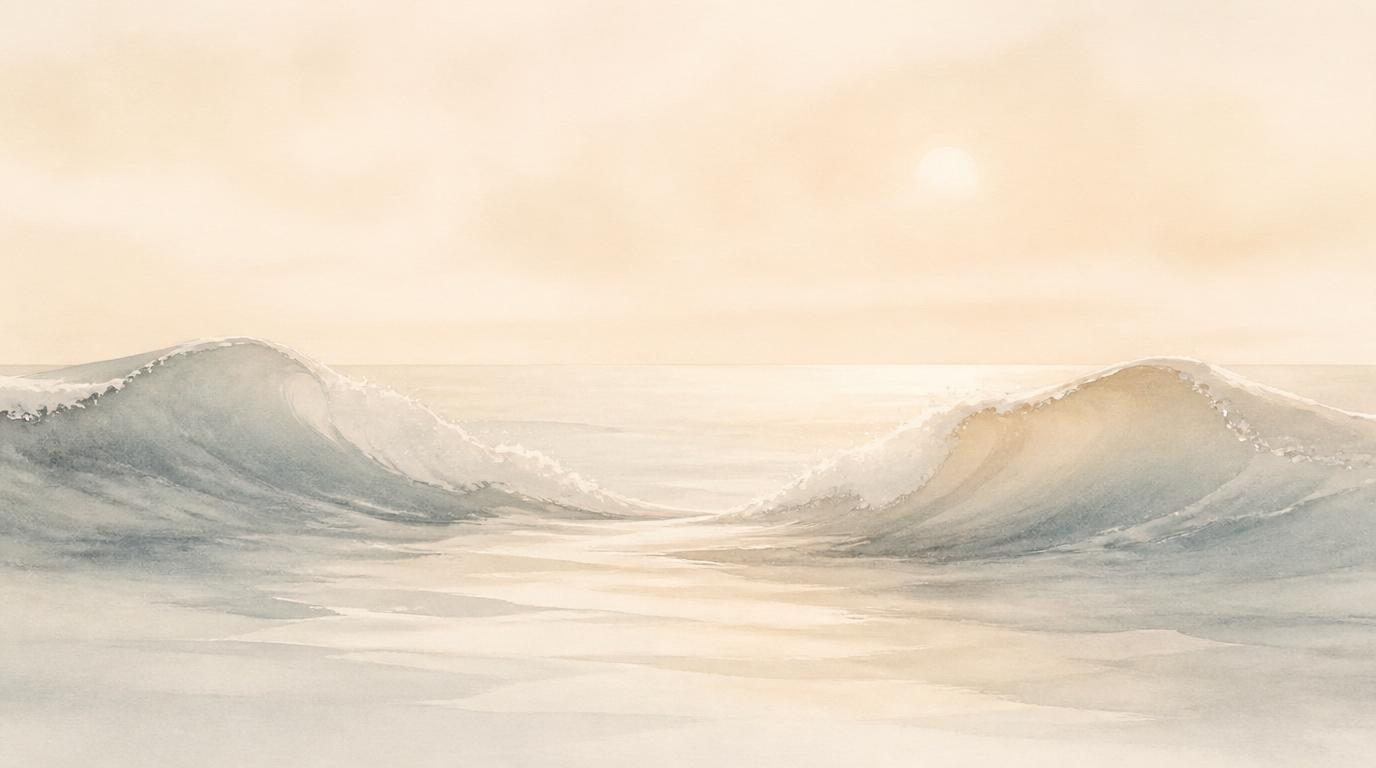
There is a moment in every breath cycle that most people never notice. A moment so subtle, so quiet, so delicate that it almost disappears inside the rhythm of inhaling and exhaling.
It is the pause.
The soft stillness after the exhale. The gentle suspension before the inhale. A moment where nothing moves — and yet everything becomes clear.
This reflection is part of the larger theme explored in The Breath as a Tool for Everyday Change, where I write about the breath as a relationship — a living bridge between mind and body.
The pause between breaths is not empty. It is spacious. It is grounding. It is a doorway into presence.
The Pause Is Where the Nervous System Resets
The inhale activates. The exhale softens. But the pause — the stillness — integrates.
In the pause:
- the nervous system recalibrates
- the mind widens
- the body settles
- the emotional tone becomes visible
- the next breath begins naturally
The pause is not something you create. It is something you notice.
When you become aware of the pause, you enter a deeper layer of presence — one that is quiet, grounded, and deeply somatic.
This connects beautifully with the softening exhale I explore in The Soft Exhale: How One Breath Changes Your State.
Why the Pause Feels Like Clarity
The pause is a moment without effort. No inhaling. No exhaling. No doing.
Just being.
In this stillness, the mind loses its momentum. Thoughts slow. Tension loosens. Awareness expands.
Clarity does not come from thinking harder. It comes from the space between thoughts — the same way the pause comes between breaths.
The pause is a natural meditation. A built‑in moment of presence.
A Practice: Noticing the Pause
Here is a gentle practice you can use anytime — especially when you feel scattered or overstimulated.
1. Inhale naturally.
No control. No effort.
2. Exhale softly.
Let the breath melt out of the body.
3. Notice the pause.
The moment after the exhale. The stillness before the inhale.
Don’t hold it. Don’t extend it. Just notice it.
4. Let the inhale come on its own.
The body knows when to breathe.
5. Repeat for 5–7 breaths.
Let the pause become familiar.
This practice pairs beautifully with the somatic awareness I explore in Breathing Through Tension: A Somatic Approach.
The Pause as a Moment of Emotional Clarity
Emotions rise in waves — like breath. They swell, peak, soften, and dissolve.
The pause between breaths mirrors the pause between emotional waves.
In the pause:
- you can feel without being overwhelmed
- you can observe without reacting
- you can listen without defending
- you can soften without collapsing
The pause is not avoidance. It is presence without urgency.
It gives you space to respond instead of react.
The Pause in Daily Life
You don’t need to sit in meditation to feel the pause. It is woven into the smallest moments of your day.
You can notice the pause:
- before answering a message
- before opening your laptop
- before speaking
- after hearing something difficult
- when you step outside
- when you close your eyes for a moment
- when you feel overwhelmed
The pause is always there. You only need to notice it.
This connects beautifully with the everyday presence I explore in Practicing Presence in Everyday Actions.
The Pause as a Teacher
The pause teaches you that:
- clarity comes from stillness
- presence comes from noticing
- softness comes from allowing
- breath comes on its own
- you don’t need to force anything
The pause is a reminder that life is not only movement — it is also the space between movements.
A space where you can return to yourself.
A Soft Reminder
You don’t need to deepen the pause. You don’t need to control it. You don’t need to make it longer.
You only need to notice.
The pause is already there — waiting for you. A quiet doorway into presence. A moment of clarity inside the rhythm of your breath.
Stillness is not the absence of life. It is the essence of it.
If you want to explore the foundations of conscious living more deeply, you can download my free ebook Yama & Niyama. It’s a soft, practical introduction to presence, simplicity, and inner alignment.