Breath and the Body: Reconnecting With Your Inner Rhythm
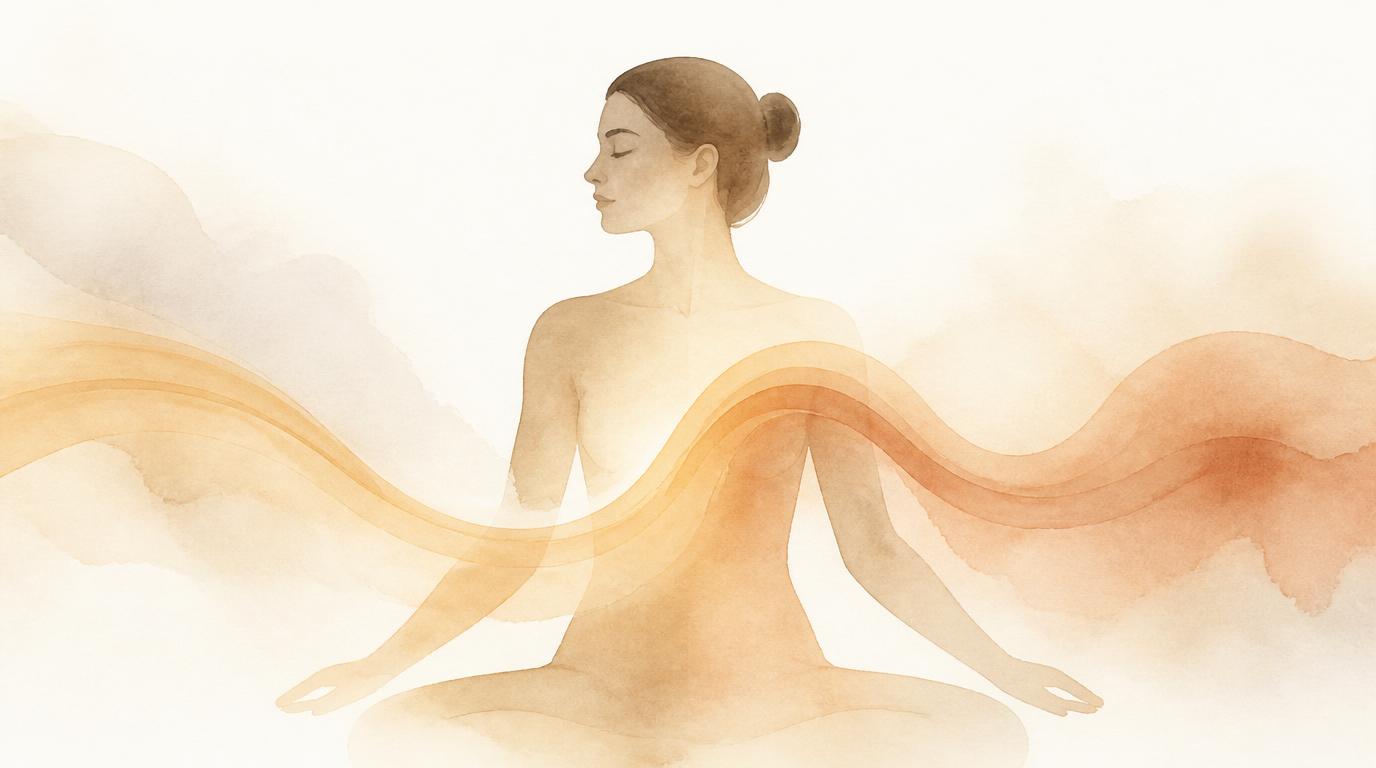
There is a rhythm inside you that never stops — a quiet, steady pulse of breath and sensation. This rhythm is older than thought, older than identity, older than every story you carry. It is the rhythm of being alive.
This reflection is part of the larger theme explored in The Breath as a Tool for Everyday Change, where I write about breath as a living relationship — a way of returning to yourself through softness, awareness, and somatic listening.
When you reconnect with your inner rhythm, you reconnect with the part of you that is untouched by urgency, untouched by pressure, untouched by the noise of the world.
Breath is the doorway. The body is the landscape. Rhythm is the guide.
Your Inner Rhythm Is Always Present
Even when your mind is scattered, your inner rhythm continues. Even when your emotions rise, your inner rhythm continues. Even when you feel disconnected, your inner rhythm continues.
The breath moves. The heart beats. The body pulses. The nervous system hums.
This rhythm is not something you create — it is something you notice.
When you tune into it, you shift from thinking to sensing, from effort to presence, from fragmentation to wholeness.
This connects beautifully with the somatic awareness I explore in The Body as the First Gate to Presence.
Why We Lose Connection With Our Rhythm
Modern life moves faster than the body’s natural pace. The mind accelerates. The breath shortens. The body tightens. The rhythm becomes irregular, shallow, or unnoticed.
We lose connection with our rhythm when:
- we rush
- we multitask
- we override our needs
- we ignore sensations
- we stay in our heads
- we push through fatigue
But the rhythm never disappears. It waits. It softens. It whispers.
And the moment you return to the breath, the rhythm becomes audible again.
A Practice: Listening to Your Inner Rhythm
Here is a gentle practice you can use anytime — especially when you feel disconnected or overwhelmed.
1. Place one hand on your chest and one on your belly.
Feel the movement beneath your palms. Noticing is enough.
2. Inhale naturally.
Let the breath rise without effort.
3. Exhale softly.
Let the breath melt downward.
4. Notice the rhythm.
The rise. The fall. The pause. The subtle pulse beneath your hands.
5. Stay for 5 breaths.
Let the rhythm reveal itself.
This practice pairs beautifully with the softening exhale I explore in The Soft Exhale: How One Breath Changes Your State.
Breath and Body Move Together
The breath is not separate from the body — it shapes it.
When the breath deepens:
- the belly softens
- the ribs expand
- the spine lengthens
- the shoulders release
- the jaw loosens
When the breath shortens:
- the belly tightens
- the chest lifts
- the shoulders rise
- the throat constricts
The body mirrors the breath. The breath mirrors the body.
This is why reconnecting with your rhythm is so powerful — it brings the entire system back into coherence.
Rhythm as Emotional Regulation
Emotion has rhythm too.
Anxiety rises quickly. Sadness moves slowly. Anger pulses. Fear contracts. Joy expands.
When you breathe with awareness, you synchronize with the emotional rhythm instead of fighting it.
You are not trying to control the emotion. You are moving with it.
This connects beautifully with the emotional presence I explore in Breath as Emotional First Aid.
Breath does not remove emotion — it helps you stay with it.
Rhythm in Daily Life
Your inner rhythm is not only accessible in stillness — it is present in movement.
You can feel it:
- while walking
- while washing your hands
- while making tea
- while stretching
- while sitting in silence
- while transitioning between tasks
The rhythm is always there. You only need to slow down enough to notice it.
This pairs beautifully with the everyday presence I explore in Practicing Presence in Everyday Actions.
A Soft Reminder
Your inner rhythm is not something you must earn. It is not something you must perfect. It is not something you must understand.
It is something you return to.
One breath at a time. One moment at a time. One soft exhale at a time.
Your rhythm is your home. Your breath is the key. Your body is the doorway.
If you want to explore the foundations of conscious living more deeply, you can download my free ebook Yama & Niyama. It’s a soft, practical introduction to presence, simplicity, and inner alignment.